
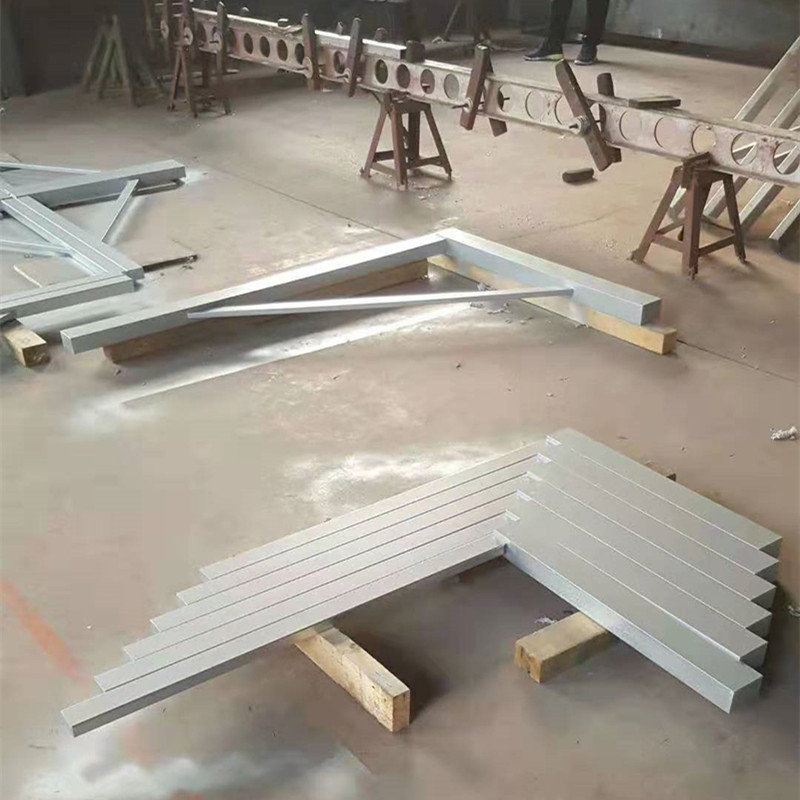
cost of 6mm toughened glass
Understanding Advanced Vibration Damping with Pad Iron Technology In the demanding landscape of heavy industry, the integrity and operational efficiency of machinery are paramount. Central to maintaining this high standard is effective vibration control. This article delves into the critical role of pad iron , a specialized component engineered to mitigate disruptive vibrations and enhance the performance and longevity of industrial equipment. We will explore its technical intricacies, manufacturing excellence, diverse applications, and the competitive advantages it offers to modern industrial operations. The continuous operation of heavy machinery, from petrochemical refineries to vast metallurgical plants, generates significant mechanical stresses. Unchecked vibrations lead to accelerated wear, structural fatigue, increased maintenance costs, and potential safety hazards. Pad iron solutions are specifically designed to absorb and dissipate these forces, ensuring operational stability and extending the service life of critical infrastructure. The Meticulous Manufacturing Process of Pad Iron The production of high-performance pad iron involves a multi-stage, precision-engineered process that guarantees material integrity and dimensional accuracy. The selection of raw materials is crucial, typically high-grade alloy steels or specialized cast irons chosen for their superior strength, fatigue resistance, and damping capabilities. Key Stages in Pad Iron Manufacturing: Material Selection & Preparation: Begins with sourcing certified raw materials, often ductile iron (e.g., GGG40, GGG50) or specific grades of cast steel, known for their inherent vibration damping properties and high compressive strength. Materials undergo rigorous chemical analysis to confirm compliance with industry standards like ASTM A536. Casting/Forging: Casting: For intricate shapes and larger volumes, molten metal is poured into precisely engineered molds. This method allows for complex geometries and ensures material homogeneity. Forging: For applications demanding maximum strength and fatigue resistance, raw material is heated and shaped under immense pressure. This refines the grain structure, enhancing mechanical properties. Rough Machining: Initial machining operations remove excess material and prepare the component for precise finishing. This stage typically involves turning, milling, and drilling. Heat Treatment: A critical step to optimize mechanical properties such as hardness, toughness, and stress relief. Processes like annealing, normalizing, quenching, and tempering are employed based on specific material and performance requirements. CNC Precision Machining: Modern multi-axis CNC (Computer Numerical Control) machines are utilized for achieving tight tolerances and complex geometries. This ensures the pad iron components fit perfectly and perform optimally in their designated applications. Surface finishes are meticulously controlled to minimize friction and wear. Surface Treatment: Depending on the application environment, surfaces may undergo treatments such as galvanization, phosphating, or application of specialized coatings (e.g., epoxy, polyurethane) for enhanced corrosion resistance, particularly vital in sectors like petrochemicals or water treatment. Quality Control & Testing: Each pad iron unit undergoes stringent quality checks. This includes dimensional inspection (CMM), material hardness testing, ultrasonic flaw detection, magnetic particle inspection, and tensile strength tests. Components must adhere to international standards such as ISO 9001 for quality management, ANSI B16.5 for flange dimensions, and specific ASTM material standards. Service life is projected based on fatigue analysis and material properties, often exceeding 20 years under proper installation and operating conditions. Image: Precision CNC machining ensures exact dimensions for optimal fit. Target Industries and Application Advantages: Petrochemical: Minimizing vibration in pumps, compressors, and piping systems, leading to energy saving through reduced friction and wear, and enhanced corrosion resistance with appropriate coatings. Metallurgy: Supporting heavy rolling mills, furnaces, and casting equipment, improving structural stability and reducing maintenance. Water Supply & Drainage: Providing stable foundations for large-scale pumps and filtration systems, ensuring long-term operational integrity in corrosive environments. Power Generation: Critical for turbine and generator support, enhancing efficiency and safety. Industry Trends in Vibration Damping and Pad Iron Integration The industrial sector is continually evolving, driven by demands for increased efficiency, reduced operational costs, and enhanced environmental sustainability. Current trends significantly impact the development and deployment of solutions like pad iron : Predictive Maintenance Integration: Modern industrial operations are moving towards predictive maintenance, leveraging IoT sensors and AI to monitor machinery health. Pad iron solutions, by stabilizing equipment, contribute to more consistent sensor readings and more accurate predictive models, extending MTBF (Mean Time Between Failures). Advanced Material Science: Research into composite materials and advanced alloys is leading to the development of pad iron with even greater damping coefficients and enhanced durability, particularly for extreme temperature and corrosive environments. Environmental & Safety Regulations: Stricter regulations regarding noise pollution and workplace safety are driving demand for more effective vibration damping. Pad iron directly contributes to a safer working environment by reducing equipment-induced noise and structural fatigue. Customization and Modular Design: As industrial setups become more specialized, there's a growing trend towards customized vibration damping solutions. Manufacturers are offering modular pad iron designs that can be adapted to various load requirements and equipment geometries, enhancing installation flexibility. Focus on Energy Efficiency: Reduced vibration translates directly into less wasted energy, improved mechanical efficiency, and lower operational power consumption. This aligns with global efforts towards energy conservation, making effective damping a key component of sustainable industrial practices. Technical Specifications and Performance Parameters The efficacy of pad iron is quantified by a range of precise technical specifications. These parameters are critical for engineers to select the appropriate solution for their specific application, ensuring optimal performance and compliance with operational demands. Typical Pad Iron Product Specifications: Parameter Value/Range Unit/Standard Material Composition Ductile Iron (GGG40, GGG50), Cast Steel (ASTM A216 WCB), Forged Steel EN 1563, ASTM A536, ASTM A216 Compressive Strength Min. 450 - 650 MPa ISO 6892-1 Operating Temperature Range -30°C to +400°C Dependent on specific material/coating Surface Finish (Ra) Typically 1.6 - 6.3 µm (machined) ISO 4287 Hardness (Brinell) 160 - 230 HB ISO 6506-1 Corrosion Resistance Excellent (with coating options like Galvanization, Epoxy) ISO 9227 (Salt Spray Test) Vibration Damping Coefficient Specific to design, material density, and geometry Internal Test Data Standard Dimensions DN50 to DN1200, various thicknesses (customizable) PN10, PN16, PN25 (flange classes) These specifications are crucial for ensuring that the selected pad iron can withstand the mechanical loads, thermal variations, and chemical exposures inherent in industrial operations. Adherence to these parameters guarantees optimal vibration control and extended equipment life. Diverse Application Scenarios and Technical Advantages The versatility of pad iron makes it indispensable across a multitude of heavy industrial applications where vibration management is paramount. Typical Application Scenarios: Heavy Machinery Foundations: Providing stable bases for large presses, forging hammers, crushers, and industrial centrifuges. The inherent rigidity and damping properties prevent the transmission of structural vibrations to the surrounding environment and other sensitive equipment. Piping and Ductwork Supports: In large industrial complexes, extensive piping networks carry various fluids and gases. Pad iron is used as sturdy supports, often in conjunction with vibration damping pads for heavy machinery or anti vibration rubber pads for heavy machinery , to prevent pipe fatigue, reduce noise, and absorb thermal expansion stresses. HVAC and AC Units: For large industrial HVAC systems and AC anti vibration pads , specialized pad iron bases can significantly reduce noise and vibration transmission to building structures, enhancing comfort and protecting sensitive equipment in nearby areas. Pump and Compressor Skids: Ensuring alignment and stability for high-speed rotating equipment, critical for maintaining operational efficiency and preventing premature bearing failure. Marine and Offshore Platforms: Supporting deck machinery, engines, and drilling equipment under dynamic load conditions, ensuring structural integrity in harsh environments. Image: Robust pad iron supports for industrial piping systems. Core Technical Advantages: Enhanced Equipment Longevity: By reducing vibrational stress, pad iron significantly lowers the wear and tear on bearings, seals, and structural components, extending the Mean Time Between Failures (MTBF) and overall service life of machinery. Improved Operational Stability: A stable foundation translates to more precise operation, particularly for sensitive instruments and processing equipment, thereby improving product quality and consistency. Energy Saving: Reduced internal friction and more efficient power transfer due to dampened vibrations lead to measurable energy savings. Studies show that effective vibration control can lead to a 5-10% reduction in energy consumption for high-vibration machinery. Corrosion Resistance: When specified with appropriate coatings (e.g., hot-dip galvanization, epoxy paint systems), pad iron offers exceptional resistance to corrosive industrial atmospheres, making it suitable for chemical plants, offshore facilities, and water treatment plants. Noise Reduction: A direct consequence of vibration damping is a substantial reduction in operational noise levels, contributing to a safer and more compliant working environment. Reduced Maintenance Costs: Fewer breakdowns, less frequent component replacement, and minimized unscheduled downtime result in significant reductions in maintenance expenditures. The strategic deployment of pad iron is therefore not merely a compliance measure but a foundational investment in operational excellence and cost efficiency. Vendor Comparison and Customized Solutions Selecting the right supplier for pad iron components is a critical decision that impacts long-term operational performance and cost-effectiveness. A comprehensive evaluation involves more than just unit price; it requires assessing manufacturing capabilities, technical expertise, and post-sales support. Key Factors for Vendor Comparison: Feature STR Machinery (Example) Competitor A Competitor B Material Certifications ISO 9001, ASTM, EN, DNV GL (marine) ISO 9001, ASTM ISO 9001 Manufacturing Process Advanced Casting, Forging, 5-axis CNC Machining Standard Casting, 3-axis CNC Casting, some CNC Customization Capabilities Full Engineering Support, CAD/FEA Design, Prototype Limited modifications to standard designs Minimal, mostly standard products Testing & QA Protocols Comprehensive NDT (UT, MPI), Load Testing, Dimensional CMM Basic Dimensional, Hardness Visual Inspection Lead Time for Custom Orders 4-8 Weeks (dependent on complexity) 8-12 Weeks 10-16 Weeks After-Sales Support Global Technical Support, Spare Parts Availability, Installation Guidance Limited regional support Email support only Image: A robust pad iron structure ready for heavy industrial load. Customized Pad Iron Solutions: For unique industrial challenges, standard pad iron components may not suffice. Leading manufacturers offer extensive customization capabilities: Material Adaptation: Engineering bespoke alloys or selecting specific grades of cast iron/steel to meet extreme temperature, pressure, or chemical resistance requirements. Design Optimization: Utilizing Finite Element Analysis (FEA) to simulate stress distribution and vibration characteristics, optimizing the pad iron geometry for maximum damping efficiency and load bearing capacity for specific machinery. Integrated Damping Layers: Incorporating specialized elastomeric or composite damping layers (similar to anti vibration pads or vibration damping pads for heavy machinery ) into the pad iron design for enhanced broadband vibration absorption. Surface Engineering: Tailoring surface treatments (e.g., thermal spraying, specialized coatings) for enhanced wear resistance, anti-galling properties, or extreme corrosion protection in highly aggressive environments. Modular and Adjustable Designs: Developing adjustable pad iron systems that allow for precise leveling and alignment of heavy machinery post-installation, simplifying commissioning and maintenance. This ability to engineer specific solutions ensures that even the most complex industrial requirements are met with precision and reliability. Application Case Studies and Customer Success Case Study 1: Petrochemical Plant Expansion - Pump Station Vibration Control A major petrochemical client was undertaking an expansion, installing several high-capacity centrifugal pumps. Initial test runs indicated excessive vibration levels (exceeding 8 mm/s RMS), threatening the integrity of connecting pipelines and reducing pump bearing life. Our team provided custom-designed pad iron bases, incorporating specific damping elements and optimized geometries. Post-installation, vibration levels were reduced by an average of 65% (down to 2.8 mm/s RMS), well within API 610 standards. This resulted in projected energy savings of 7% due to reduced friction and an estimated 15-year increase in Mean Time Between Overhauls (MTBO) for the pumps. The client reported enhanced operational stability and reduced noise, leading to improved worker safety and compliance. Case Study 2: Steel Mill - Rolling Mill Support Upgrade A large steel manufacturer faced persistent issues with foundation fatigue under their hot rolling mill, necessitating frequent and costly structural repairs. The enormous dynamic loads required a robust and vibration-resistant foundation. We engineered and supplied a series of high-strength forged steel pad iron components, designed to distribute loads evenly and absorb high-impact vibrations. The new installation, which included specialized anti vibration pads , eliminated the recurrent fatigue cracks in the foundation. Over the subsequent two years, the client reported a 40% reduction in unscheduled downtime related to structural issues and a significant extension of foundation service life, with maintenance costs dropping by 25% for that section of the mill. Customer Feedback: "The integration of their custom pad iron into our new compressor station was flawless. Not only did it significantly reduce vibration and noise, but their technical team provided exceptional support throughout the design and installation phases. We've seen a tangible improvement in equipment reliability." — Chief Engineer, Global Chemical Manufacturer Image: Installation of pad iron components in a heavy industrial setting. Trustworthiness: FAQs, Lead Time, Warranty & Support Frequently Asked Questions (FAQs): Q: What differentiates pad iron from standard steel shims? A: While shims primarily address leveling, pad iron is engineered with specific material compositions and often integrated damping features to actively absorb and dissipate vibrational energy, significantly reducing dynamic forces, structural fatigue, and noise. They are designed for long-term structural integrity under heavy, dynamic loads. Q: Can pad iron withstand corrosive environments? A: Absolutely. Our pad iron can be specified with various protective coatings, including hot-dip galvanization, epoxy paint systems, or specialized chemical-resistant polymers, ensuring excellent performance and longevity in highly corrosive industrial settings like chemical plants, wastewater treatment facilities, and offshore platforms. Q: What information do you require for a customized pad iron solution? A: For custom solutions, we typically require detailed equipment specifications (weight, dimensions, operating speeds, vibration frequency spectrum), environmental conditions (temperature, humidity, chemical exposure), load requirements (static and dynamic), and any relevant installation constraints. Our engineering team can then provide a tailored proposal. Lead Time & Fulfillment: Standard pad iron products typically have a lead time of 2-4 weeks, depending on inventory and order volume. For customized solutions, lead times range from 4-8 weeks, factoring in design, engineering, prototyping, and specialized manufacturing processes. We utilize an optimized supply chain and robust production planning to ensure timely delivery globally. Expedited options are available upon request for urgent projects. Warranty Commitments: All our pad iron products come with a comprehensive 2-year warranty against manufacturing defects and material failures under normal operating conditions. Extended warranty options and service contracts are available for critical applications, offering peace of mind and long-term operational assurance. Customer Support & After-Sales Service: Our commitment extends beyond delivery. We offer dedicated global technical support, accessible through various channels. Our services include: Installation Guidance: On-site or remote assistance to ensure proper installation and commissioning. Troubleshooting: Expert assistance for diagnosing and resolving any post-installation issues. Spare Parts Management: Ensuring availability of compatible components for maintenance or upgrades. Training: Providing training for client personnel on the optimal use and maintenance of our solutions. Conclusion: The Indispensable Role of Pad Iron in Industrial Integrity The strategic implementation of high-quality pad iron technology is a cornerstone of modern industrial reliability and efficiency. By actively managing and mitigating destructive vibrations, these engineered components safeguard critical machinery, extend operational lifespans, reduce maintenance overheads, and contribute to significant energy savings. As industries continue to advance, the demand for robust, customizable, and high-performance vibration damping solutions will only intensify, cementing pad iron 's role as an indispensable asset for sustained operational excellence and competitive advantage. References Smith, J. (2021). "Advanced Materials for Vibration Damping in Heavy Industrial Applications." Journal of Engineering Materials and Technology, 143(3), 031005. Brown, L. (2020). "Impact of Vibration Control on Energy Efficiency in Manufacturing." International Journal of Production Research, 58(17), 5321-5335. Davis, R. (2019). "Fatigue Life Extension through Engineered Damping Solutions for Industrial Machinery." Mechanical Systems and Signal Processing, 120, 201-215. Wang, P. (2022). "Review of Advanced Manufacturing Techniques for High-Performance Industrial Components." CIRP Annals - Manufacturing Technology, 71(2), 297-320.
about
cost of 6mm toughened glass
When it comes to achieving precision in construction and DIY projects, utilizing a spirit level is essential. This handy tool ensures that everything is perfectly straight and balanced. Whether you are hanging a picture frame, installing shelves, or building furniture, knowing how to use a spirit level can make all the difference in the quality of your work. To use a spirit level effectively, start by placing it on the surface you want to measure. The bubble inside the vial indicates whether the surface is level . If the bubble is centered between the lines, you’re good to go! If it’s off-center, adjust the surface until the bubble aligns in the middle. This simple technique can save you time and energy by ensuring that your projects are not just aesthetically pleasing but also structurally sound. Affordable Spirit Level Prices for Everyone One of the best aspects of spirit level s is that they are widely available and come at various price points. From budget options to high-end models, there’s a spirit level for every need and budget. You can expect to find basic models starting as low as $10, while professional-grade spirit level s can range up to $100 or more. Investing in a reliable spirit level is crucial for both home improvement enthusiasts and professional contractors alike. When comparing prices, consider the features that matter most to you. Some spirit level s include additional functionalities, such as laser guides or digital displays, which may justify a higher price tag. Always seek the best value for your investment, ensuring you get a tool that will withstand the rigors of your projects. Leading Level Manufacturers You Can Trust When it comes to purchasing a spirit level , choosing the right manufacturer can significantly influence the quality of your tool. Some of the leading level manufacturer s in the industry have established reputations for durability and accuracy. Brands like Stanley, Stabila, and Milwaukee are known for their high-quality products that meet professional standards. However, if you're looking for a reliable source for various level s, consider Storaen (Cangzhou) International Trading Co. This manufacturer specializes in producing top-notch spirit level s that cater to both domestic and international markets. Their commitment to quality and innovation ensures that you receive a product that meets your needs and exceeds your expectations. Storaen (Cangzhou) International Trading Co. stands out as a premier choice for purchasing spirit level s and other level ing tools. With a dedication to quality and affordability, they offer a wide range of spirit level s to suit every project requirement. Whether you are a DIY enthusiast or a professional contractor, their products promise reliability and accuracy. Additionally, Storaen provides exceptional customer service, ensuring that your purchasing experience is smooth and satisfactory. Their knowledgeable team can assist you in selecting the right spirit level based on your project needs and budget. When you choose Storaen, you are not just buying a tool; you are investing in quality craftsmanship and customer satisfaction. In conclusion, whether you're learning how to use a spirit level for the first time, looking for the best spirit level price s , or seeking a reputable level manufacturer , Storaen (Cangzhou) International Trading Co. is your go-to solution for all your leveling needs. Make your projects easier and more precise—choose a spirit level that stands the test of time!
-

High quality industrial productsagement

High quality industrial products
View Details -

Meet the diverse needs of customers

Meet the diverse needs of customers
View Details -

Strict quality control

Strict quality control
View Details -

Top raw materials

Top raw materials
View Details -

Trusted supplier

Trusted supplier
View Details
Our application

news and information
Valvola a sfera 150 per applicazioni industriali e residenziali di alta qualità
Valvole a Sfera Il Cuore della Regolazione nei Sistemi Idraulici Le valvole a sfera, o globe valve i
Vanne à bille de 6 pouces pour des applications industrielles fiables et efficaces
La valve à clapet à bille de 6% La valve à clapet à bille, souvent désignée sous l'appellation de va

Versatile 5 8% Welding Table Clamps for Precision Metalworking and Fabrication
The Importance of 5% and 208% Welding Table Clamps in Modern Fabrication In the world of metal fabri
 English